Learning & Values
A story that teaches while it delights
Topics Covered
Eight gentle lessons woven into one story
Peer Pressure
Cathy learns that following the crowd is not the same as belonging.
Bullying
Teasing is named clearly and answered with courage and support.
Kindness
Small gentle acts change the whole meadow.
Friendship
True friends celebrate you exactly as you are.
Confidence
Cathy discovers a voice that was hers all along.
Resilience
Hard days pass, and she learns to rise again.
Self Identity
Being different becomes something to treasure.
Nature
Leaves, logs and butterflies invite outdoor curiosity.
In The Classroom
Why teachers reach for Cathy
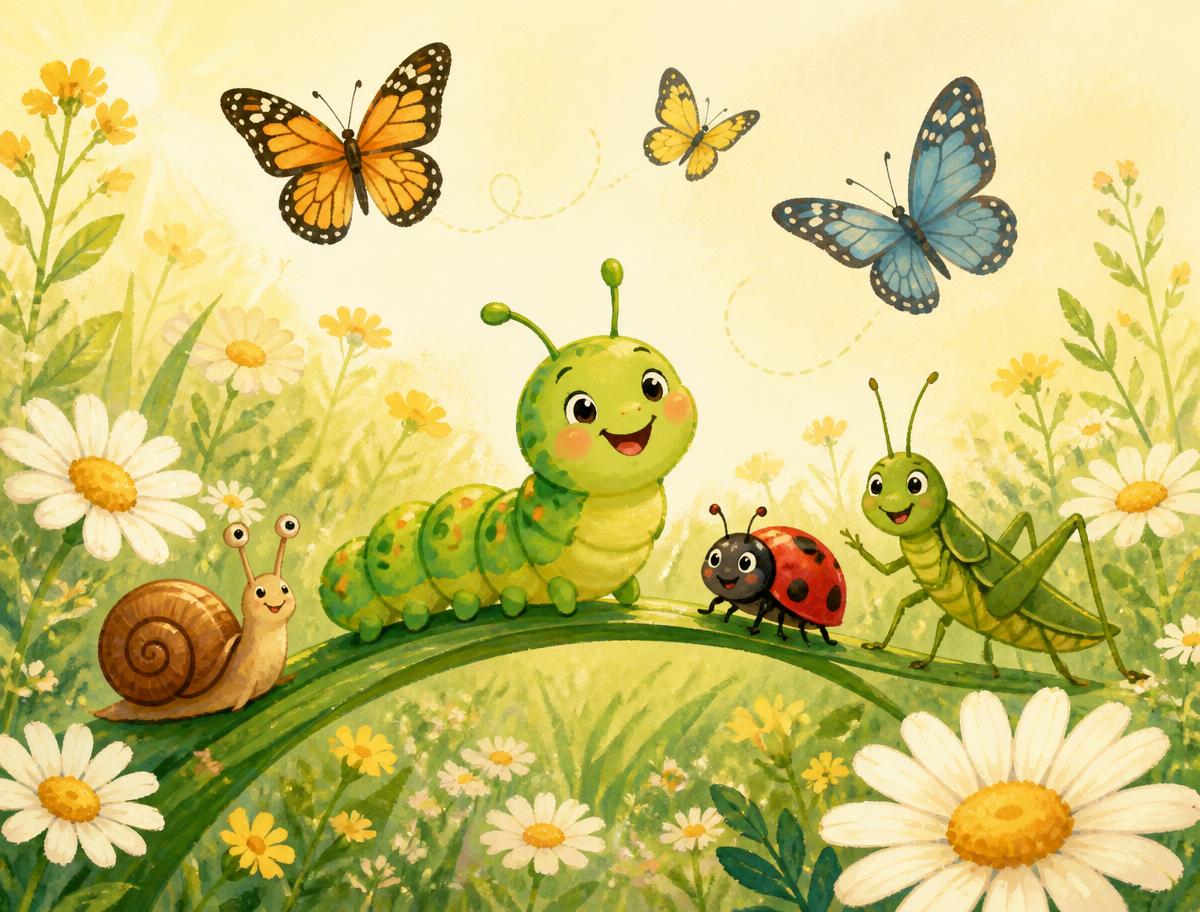
The story is short enough for one lesson and rich enough for a whole week of conversation. Cathy gives a class a shared character to talk about, which is often easier than talking about themselves.
Teachers can use the meadow scenes for social and emotional learning, for creative writing prompts, or for a nature themed art session with the coloring pages.
Suggested age is 5 to 12 years. Younger children enjoy the pictures and the read aloud rhythm, while older children explore the deeper themes of identity and peer pressure.
Printable Activities
Coloring and activity pages
This section is a placeholder for downloadable printables. Artwork previews are shown here and files can be added later.
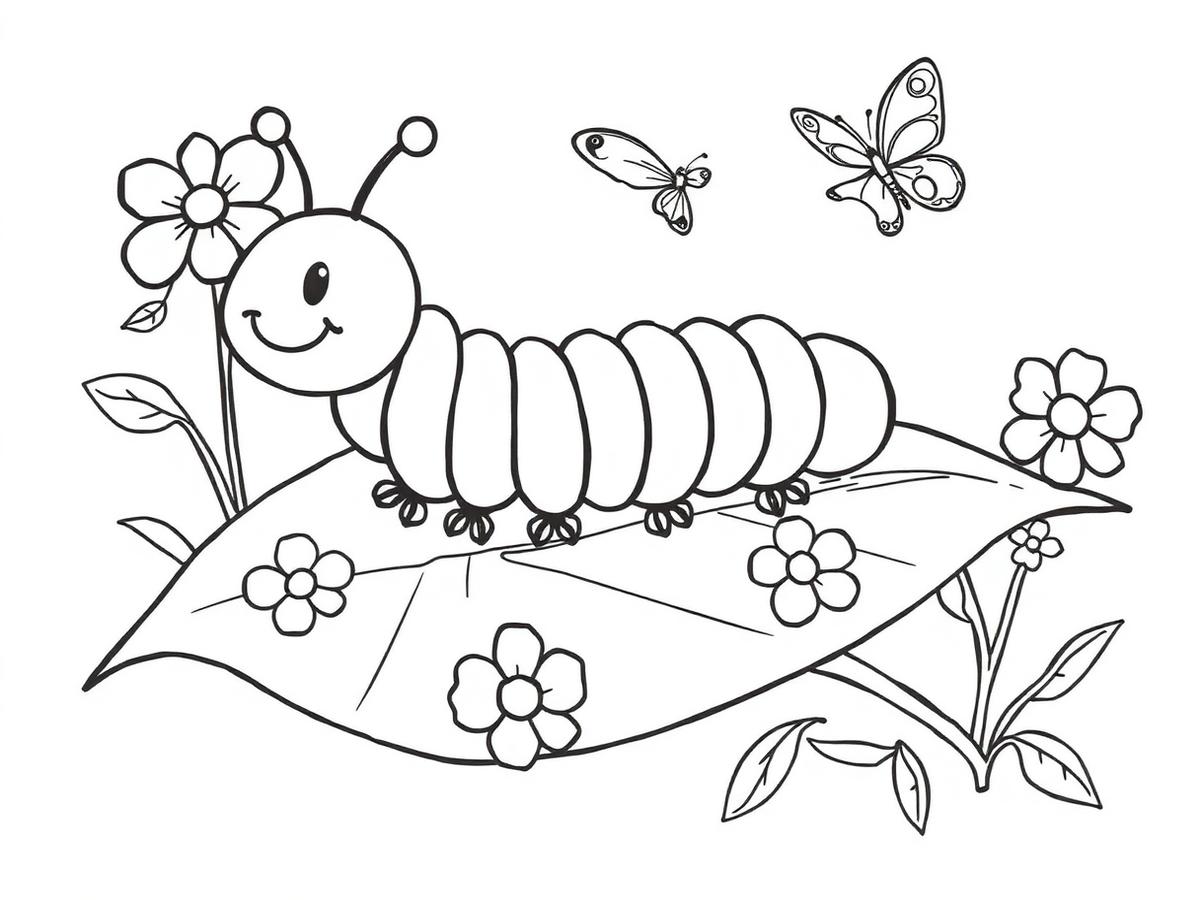
- Cathy Coloring PageComing soon
- Meadow Friends Coloring PageComing soon
- Kindness Promise SheetComing soon
Discussion Questions
Questions to ask together
- 1
How do you think Cathy felt when the other creatures laughed at her?
- 2
Have you ever been asked to do something just to fit in?
- 3
What is one kind thing you could say to a friend who feels left out?
- 4
What makes you different, and why is that something to be proud of?
- 5
Who helps you feel brave when you are worried?
- 6
What would you say to Cathy if she were sitting beside you?
Reading Tips
Ways to share the story
Reading Tips
- Read slowly and pause on the illustrations so children can describe what they see.
- Let children name the feelings on Cathy's face before you explain them.
- Invite young readers to read one repeated line aloud to build confidence.
- Stop before the ending and ask what they hope happens next.
- Finish with a coloring page so the conversation continues quietly.
Learning Outcomes
- Children can describe how teasing feels and why it hurts.
- Children can name at least two ways to include someone who feels left out.
- Children can explain the difference between a real friend and peer pressure.
- Children can identify one strength that makes them proud of themselves.
- Children can talk about a time they kept trying after something felt hard.
Suggested age: 5 to 12 Years